
Core service
SEO & GEO (AI Search) Strategy
Summary
SEO (Search Engine Optimization) aims to rank your page in Google; GEO (Generative Engine Optimization) aims to get your brand cited as a source inside AI answers from tools like ChatGPT, Perplexity, Gemini, and Google AI Overviews. Neither replaces the other — they're built together. Groopy brings technical foundation, content architecture, and structured data into one plan.
SEO vs. GEO
Classic search still sends far more traffic than AI engines combined — it's too early to drop SEO. But a growing share of users now get their answer directly from AI and never visit a site. GEO makes sure your brand's name and link show up inside that answer.
Technical SEO
The precondition for ranking is that a site is crawlable and fast. For most sites, this is where the biggest gains are.
- Crawl and indexing audit, redirect cleanup
- Core Web Vitals and page speed
- Title/meta structure, internal linking architecture
- hreflang, sitemap, robots configuration
Content architecture
Not random blog posts — a hub-and-spoke structure: each core service is a hub page, supported by posts linked to it and to each other. Planned around search intent — information, comparison, price, purchase.
GEO infrastructure
What's needed for AI crawlers to read your content and prefer citing it.
- Opening access to GPTBot, ClaudeBot, PerplexityBot, Google-Extended
- Answer-first content format: the result first, detail after
- Structured data (Organization, Service, FAQ, Article)
- Entity clarity: consistent brand, location, and service names
- Verifiable, specific statements — not vague claims
Measurement and management
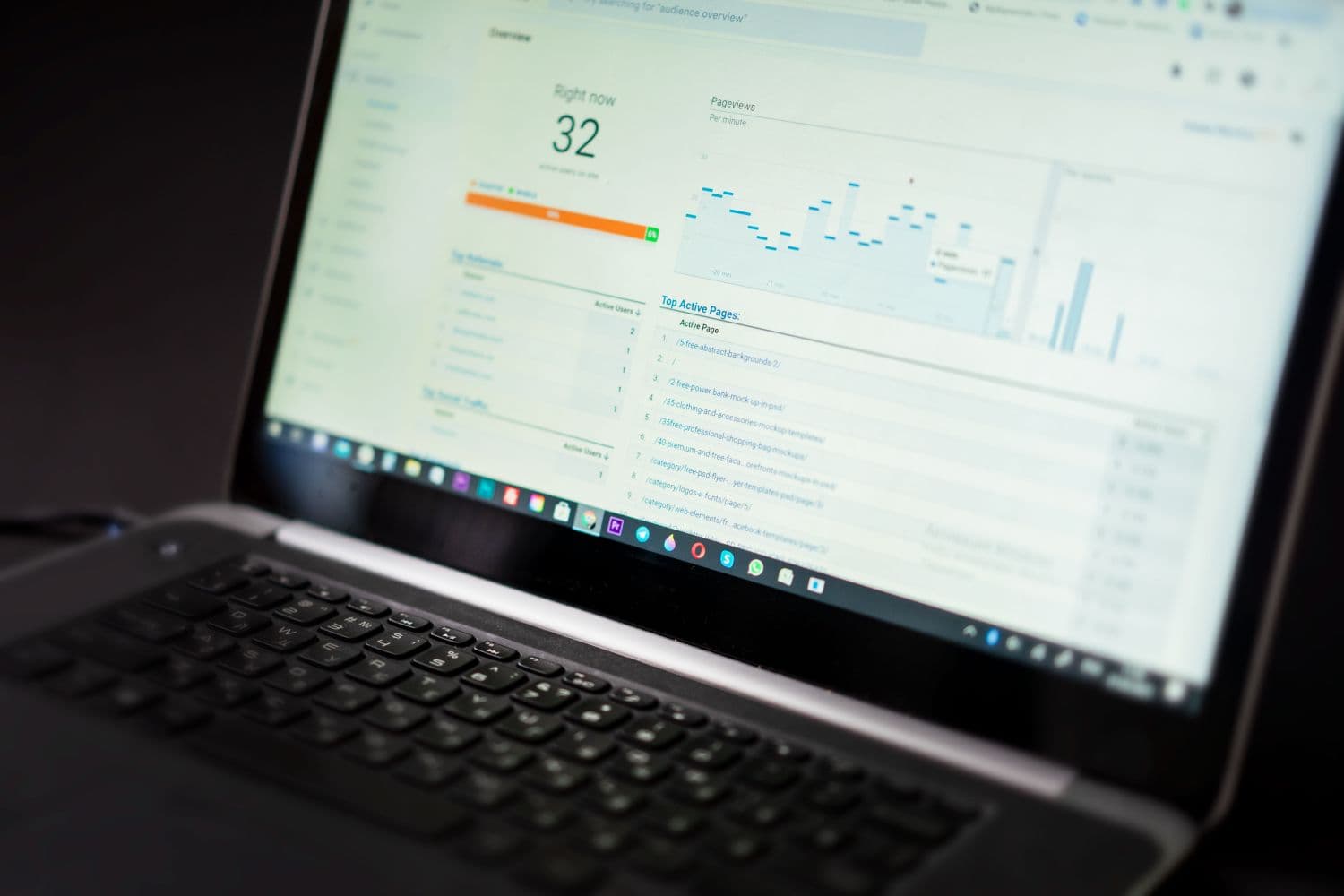
Once Google's tools are set up, this service covers their ongoing monitoring and management. It typically takes 4–8 weeks from launch to appear in an AI answer.
- Search Console: crawl errors, indexing status, and search performance tracking
- Google Analytics: traffic and conversion reporting
- Google Business Profile: posts, updates, and review management
- A monthly manual check for citations in AI answers on target queries
Process
- 01
Audit
Technical state, current rankings, competitor gaps, and AI visibility are mapped out.
- 02
Priority plan
The highest-impact fixes and content clusters are prioritized.
- 03
Implementation
Technical fixes, content production, and structured data go live.
- 04
Monitoring
Monthly reporting: organic traffic, ranking changes, and AI citation status.
Frequently asked questions
What is GEO?
Generative Engine Optimization — optimizing content so it's cited as a source inside the answers AI search engines generate. It doesn't replace SEO; it complements it.
Do I need to add llms.txt?
It's not required and Google ignores it. Some AI tools use it; it's added because the cost is low, but it isn't decisive for results.
When do results show up?
Technical fixes show effect within weeks; ranking gains from content and AI citations typically take 2–4 months. No guarantees are given — be wary of anyone who gives them.
Do you manage Google Ads or paid advertising?
This service is focused on organic visibility. Paid advertising management is offered as a separate service — see Google Ads Management.
Related articles
- What Google AI Overviews Changed for Businesses in Türkiye
- How to Make Your Brand Visible in ChatGPT and AI Search
- Local SEO Guide: Ranking Higher on Maps with Google Business Profile
- Digital Marketing Guide for Physiotherapists: Website, SEO/GEO, Google Ads, and Social Media
- Digital Marketing Guide for Dentists: Website, SEO/GEO, Google Ads, and Social Media
- Why Isn't My Site Showing Up on Google? 8 Reasons and a Checklist
- What Is GEO? Getting Cited in ChatGPT, Gemini, and AI Overviews
- Google Ads or SEO? You Probably Need Both
- How to Choose an SEO Agency: 7 Concrete Criteria
- Website Cost in Istanbul in 2026: A Realistic Pricing Guide (USD)
Let's talk about your project.
We start with a short discovery call. We don't quote a price before scope and timeline are in writing.